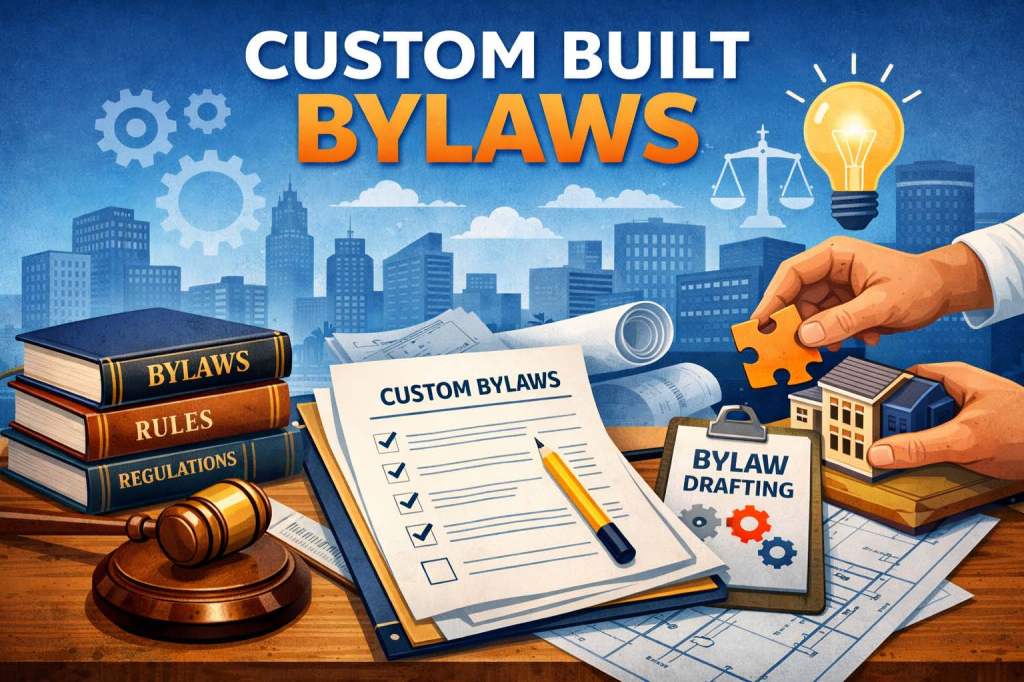
In the world of non-profits, cooperatives, and community organizations—especially those in agriculture, environmental advocacy, and sustainability—getting started often means leaning on resources from industry associations. One common shortcut? Adopting their generic bylaws templates wholesale. These ready-made documents promise a quick path to formal structure, but like any template, they’re not one-size-fits-all.
At Pen to Anvil Advisors, we frequently advise clients on governance frameworks tailored to Alberta’s regulatory landscape and beyond. We’ve seen organizations thrive with customized bylaws and others stumble when sticking too rigidly to generics. A key insight: when boards or committees actively draft or customize bylaws, members gain deeper understanding and ownership—leading to stronger adherence and fewer governance headaches. This post breaks down the pros and cons of using association-provided draft templates, helping you decide if they’re a solid foundation or a potential pitfall.
The Appeal: Why Organizations Turn to Generic Templates
Associations like agricultural co-op networks or environmental groups often provide these templates as a member perk. They’re designed to meet basic legal standards (e.g., under Alberta’s Societies Act or federal non-profit laws) and cover essentials like membership rules, board duties, meetings, and amendments. For startups or resource-strapped groups, this can feel like a lifeline. But let’s weigh the benefits against the drawbacks.
Pros and Cons: A Balanced View
To make it clear, here’s a table summarizing the key advantages and disadvantages:
| Aspect | Pros | Cons |
|---|---|---|
| Cost and Time Efficiency | Free or low-cost; saves hours (or days) of drafting from scratch. Ideal for bootstrapped organizations focusing on core missions like sustainability projects. | May lead to hidden costs later—e.g., legal fees to fix gaps or non-compliance issues that arise during audits or disputes. |
| Standardization and Compliance | Built on proven frameworks; ensures basic alignment with laws and best practices, reducing initial legal risks. | Often generic and not jurisdiction-specific; could miss regional or even organizational nuances (e.g., privacy laws under PIPA) or sector needs like environmental impact reporting, membership preferences. |
| Ease of Adoption | Plug-and-play simplicity; great for new boards or volunteers without governance expertise. | Lacks customization for unique operations—e.g., a rural co-op’s land stewardship clauses might not fit a template geared toward urban non-profits. |
| Understanding and Ownership | Provides a baseline that can spark initial discussions and learning. | Lower buy-in and comprehension; boards that adopt templates wholesale often understand the rules less deeply, leading to weaker adherence, more disputes, or “set-it-and-forget-it” governance. When the board or a committee drafts/customizes instead, members know the “why” behind each provision, fostering greater ownership, engagement, and accountability. |
| Starting Point for Growth | Provides a baseline that can be iterated on as the organization evolves. | Inflexible for scaling; templates might not anticipate changes like mergers, funding shifts, or member diversity in growing sustainability groups. |
| Association Support | Often comes with guidance or examples from the association, fostering community ties. | Risk of over-reliance; templates may reflect the association’s biases or outdated views, not your organization’s values or innovations. |
On the pro side, these templates democratize governance—making it accessible for grassroots efforts in agriculture or environmental fields where time and funds are tight. They handle the boilerplate, letting you focus on impact, like community resilience programs.
However, the cons highlight real risks. We’ve advised clients who’ve adopted generics only to face challenges: a template might overlook conflict-of-interest policies tailored to family-run farms, or fail to address digital voting for remote rural members. In worst cases, non-tailored bylaws can lead to internal disputes, delayed funding, or regulatory headaches—especially in Canada’s evolving landscape of ESG (Environmental, Social, Governance) standards. The lack of hands-on involvement often means board members don’t fully grasp the document, reducing proactive use and increasing misinterpretation.
Navigating the Middle Ground: Tips for Smart Use
If you’re considering a generic template, don’t stop at adoption—treat it as a draft. Here’s how to maximize pros while mitigating cons:
- Assess Fit Early: Review against your mission. Does it align with your sustainability goals, like inclusive decision-making for diverse stakeholders?
- Customize Strategically with Board Involvement: Engage your full board or a dedicated committee to review and revise. This hands-on process builds deeper understanding—members who help shape the bylaws are more likely to own, remember, and follow them effectively. Add clauses for unique needs, such as potential conflict of interest or adaptive governance for climate challenges.
- Seek Legal Review: Always consult a lawyer familiar with Alberta/Canadian non-profit law to ensure compliance and avoid pitfalls.
- Plan for Revisions: Build in amendment processes. Revisit bylaws annually as your organization grows or regulations change—ideally involving the board to maintain that sense of ownership.
- Learn from Peers: Talk to other association members who’ve used the template—what worked, what didn’t? Consider hybrid approaches: start with the template but workshop it collectively.
By approaching templates thoughtfully and prioritizing board/committee involvement, you turn a potential shortcut into a strong, well-understood foundation.
Final Thoughts: Governance as a Living Document
Generic bylaws templates from associations offer a valuable entry point, but they’re no substitute for personalized governance that reflects your organization’s heart—whether that’s fostering regenerative agriculture, environmental stewardship, or community sustainability. The key is balance: leverage the pros for speed, but address the cons through customization and active board participation to ensure long-term resilience, better understanding, and true ownership.
At Pen to Anvil Advisors, we help organizations refine these templates into robust frameworks that support ethical, effective operations—often guiding boards through collaborative drafting sessions for maximum buy-in. If you’re weighing a generic bylaws adoption, need a review of your current setup, or want support building bylaws from the ground up, reach out—we’re based in the Edmonton area and ready to assist.
Have you used an association template? How long ago have these Bylaws adopted? Did board involvement in customization make a difference in understanding and adherence? Share in the comments—we’d love to discuss.
Pen to Anvil Advisors
Willingdon, Alberta

 Pen to Anvil Advisors
Leave a comment