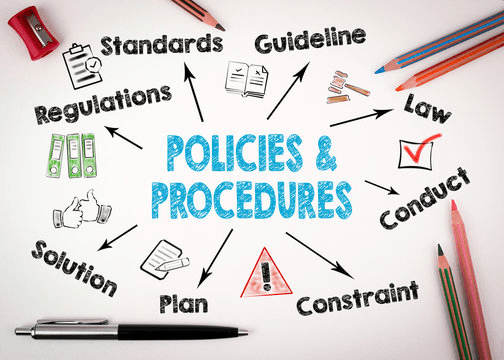
In my experience working with boards, councils, and organizations, a recurring theme emerges: leaders get bogged down when policies and procedures are treated as interchangeable. The result? Micromanagement, delayed decisions, and frustrated teams. At Pen to Anvil Advisors, we help leaders draw clear distinctions to build resilience and focus where it matters most—strategic direction over daily operations.
Policies: The Board’s Compass Policies are the foundational “what” and “why” of your organization. They define direction, expected behaviors, and critical limits—guardrails that align with mission, values, and legal requirements. These are board- or council-approved documents because they reflect governance-level accountability.
Examples in practice:
- “All procurement decisions over $25,000 require board approval to ensure fiscal responsibility.”
- “The organization commits to inclusive hiring practices, prioritizing equity in recruitment.”
- “Investments must balance risk with long-term sustainability.”
Policies change infrequently (annual review recommended) and provide broad guidance without prescribing steps.
Procedures: The Operational Roadmap Procedures (and related practices) are the “how”—detailed, step-by-step instructions managed by staff or administration. They ensure consistency, efficiency, and compliance with the policies above.
Examples:
- A step-by-step procurement process form, approval workflow, and documentation checklist.
- Specific protocols for interview questions, background checks, and onboarding timelines.
- Investment review templates and timelines handled by finance staff.
These can (and should) evolve as tools, regulations, or best practices change—no need for board-level approval unless they impact policy boundaries.
Quick Comparison Table
| Aspect | Policies (Board Level) | Procedures (Administrative Level) |
|---|---|---|
| Primary Focus | Strategic direction, behavior, limits | Operational steps and execution |
| Approval | Board/council | Management/staff |
| Level of Detail | High-level and principle-based | Detailed, task-oriented |
| Change Frequency | Low (strategic stability) | Higher (adapt to practice) |
| Risk if Confused | Micromanagement, stalled governance | Inconsistent ops without strategic tie |
When boards dive into procedures, it erodes trust in staff and pulls energy from oversight. When procedures lack clear policy backing, organizations risk drift or compliance gaps.
Why This Distinction Builds Resilience Clear separation empowers boards to govern boldly while enabling teams to operate efficiently. It reduces role confusion (a key source of cognitive dissonance in leadership), fosters accountability, and supports scalable growth—core to the advisory approach at Pen to Anvil Advisors.
Practical Steps to Implement
- Audit your current documents: Sort into “policy” vs. “procedure.”
- Delegate procedure ownership to administration with policy alignment checks.
- Schedule board training on governance boundaries.
- Review policies annually; update procedures as needed.
If your organization is wrestling with these lines—or wants support in a policies refresh—reach out via Pen to Anvil Advisors. Let’s ensure your governance is as strong and clear as your mission.
What blurred lines have you seen in your board work? —I’d value the discussion if you are willing to share.

 Pen to Anvil Advisors
Leave a comment