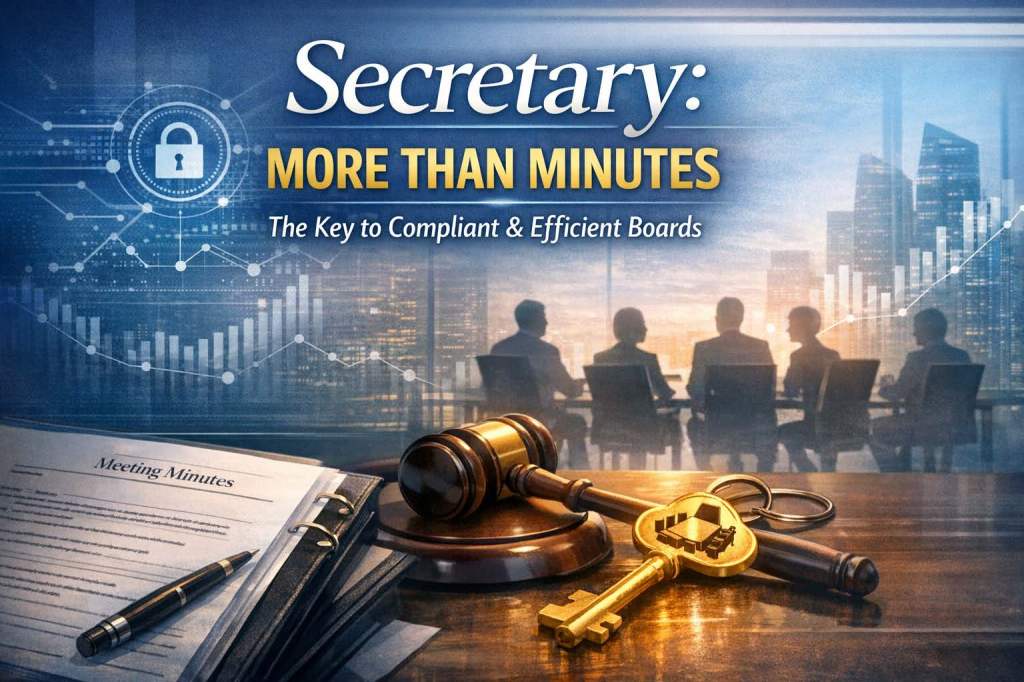
In nonprofit governance, the spotlight often shines on the Chair or Treasurer, but the Secretary is the quiet powerhouse keeping everything organized, compliant, and on record. This role isn’t glamorous—it’s meticulous, detail-oriented work that protects the organization long-term. Yet many boards undervalue it, treating it as “just taking notes” or combining it with other duties.
The reality is always pending on what chores were delegated to whom? Most often., it means volunteering as Secretary means shouldering significant responsibility: accurate records, timely communication, and ensuring the board’s decisions are defensible and trackable. In Canadian nonprofits—whether under Alberta’s Societies Act, Alberta Agricultural Societies Act or Cooperative Act—poor minute-keeping can lead to compliance headaches, disputes, losing info in a sea of unnecessary details, or lost institutional memory.
A great Secretary turns these demands into strengths. Here’s what sets an outstanding Secretary apart, with practical focus on making the role sustainable and effective.
1. Mastery of Records: The Keeper of Organizational Memory
The Secretary maintains the official “corporate memory”—bylaws, policies, member lists, correspondence, and especially board and member meeting minutes. They ensure records are accurate, accessible, and stored securely (often with backups off-site or digitally).
Key duty: Minutes aren’t a novel—they’re a concise record of what happened, who was there, decisions made, and actions assigned. Under the current legislation, minutes must be kept reliably, but they don’t require verbatim transcripts. A well-structured agenda makes this easy: pair it with focused discussion to capture outcomes without transcribing every word.
2. Efficient Minute-Taking: Focus on Decisions, Not Dialogue
One of the biggest myths? Minutes need to capture everything said verbatim. That’s exhausting, unnecessary, and risky (it can include offhand comments or debates that muddy the record).
Quick Win for Sanity: With a clear, action-oriented agenda sent in advance (including “RFD (Request for Decisions)” items, expected outcomes, and pre-reads), minutes become straightforward:
- Note attendance, quorum, date/time/location
- Record motions/resolutions exactly (wording, mover, seconder, vote result)
- Summarize key discussion points only if needed for context (e.g., major risks or rationale)
- List action items with owners and deadlines
- Avoid personal opinions, side conversations, or excessive detail
This approach saves hours, reduces stress, and produces compliant, useful records. Best practice: Draft minutes within 48–72 hours (while fresh), circulate for review/approval at the next meeting, and have the Chair/Secretary sign approved versions.
3. Communication & Logistics: The Board’s Conduit
Working closely with the executives. the Secretary will ensure the:
- Notices and agendas are sent
- Pre-reads and post-meeting materials are distributed
- Correspondence is tracked and shared
- Member/board contact info is maintained
They act as the crucial and reliable link between Chair, ED/CEO, and members—ensuring everyone gets what they need on time.
Why it matters: In volunteer-heavy groups (especially rural or small Alberta nonprofits), clear communication prevents dropped balls and builds trust.
4. Compliance & Risk Guardian
They help the board stay aligned with legal requirements—filing annual returns (often in partnership with the Treasurer), keeping records inspectable by members/directors, and flagging bylaw/policy gaps.
A proactive Secretary might lead governance reviews or remind the board of fiduciary duties during discussions.
5. Key Qualities of an Outstanding Secretary
- Detail-oriented: Thrives on structure; uses tools like shared drives or board portals for easy access.
- Organized: From filing to prefilling the minutes
- Neutral & Objective: Records facts without bias.
- Strong Communication Skills: Clear writing, timely follow-up.
- Tech-Savvy (Bonus): Comfortable with digital minutes, e-signatures, or tools like Boardable/OurCatHerder for efficiency.
- Willing to Speak Up: Gently enforces process (e.g., “Let’s clarify the motion before voting”).
- Commitment to the Mission: Sees record-keeping as protecting the cause.
Volunteering as Secretary can feel burdensome—especially if minutes drag on—but with good processes (like agenda-driven focus), it’s manageable and hugely valuable.
Why This Role Deserves More Respect (and Support)
A strong Secretary prevents legal risks, eases transitions (succession planning again!), and lets the board focus on mission instead of chasing “what did we decide last time?”
If your board’s Secretary role feels vague, overloaded, or under-supported:
- Update bylaws/job descriptions for clarity
- Provide templates/checklists
- Consider staff assistance for routine tasks (common in larger orgs)
- Use digital tools to streamline
At Pen to Anvil, we help boards define these roles, create minute templates, refine agendas for easier recording, and ensure compliance without the overwhelm. A quick session can turn “note-taker” into “governance guardian.”
The Secretary isn’t just keeping notes—they’re safeguarding the organization’s future. Honor that by setting them up for success.
What’s one tip that’s helped your board’s Secretary (or a challenge you’ve faced)? Share in the comments!

 Pen to Anvil Advisors
Leave a comment