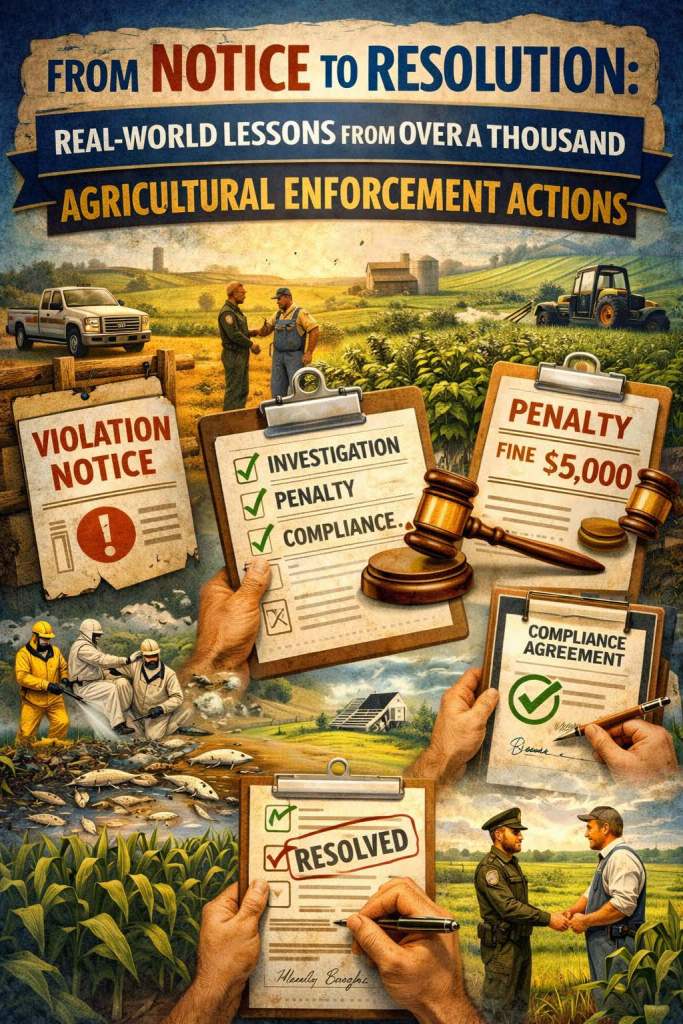
In rural and northern Alberta, effective agricultural governance often comes down to one principle: clarity prevents conflict.
Over the course of my career leading a municipal agricultural services department, we issued more than 1,000 notices under the Weed Control Act, Agricultural Pests Act, and Soil Conservation Act. These covered everything from noxious weed infestations and regulated pests to soil erosion risks threatening farmland and waterways.
The outcome? A handful of appeals—none successful.
This wasn’t the result of heavy-handed enforcement. It stemmed from something simpler and more sustainable: setting clear expectations, defining precise limitations, and outlining fair consequences from the start. When landowners know exactly what is required, why, by when, and what happens if not addressed, most issues resolve without escalation.
The Context: Notices as Tools for Communication and Protection, Not Punishment
Alberta’s legislation delegates significant responsibility to municipalities and Agricultural Service Boards (ASBs) for protecting agricultural land and resources:
- The Weed Control Act requires control of noxious weeds and destruction of prohibited noxious ones to prevent spread.
- The Agricultural Pests Act mandates action against declared pests harming land, livestock, or property.
- The Soil Conservation Act obliges landholders to prevent or stop soil loss/deterioration.
Inspectors issue notices detailing the issue, required actions (e.g., control measures, timelines), and potential consequences (e.g., municipal enforcement at owner’s expense if ignored). Landowners have the right to appeal to an independent local panel, with further review possible under some Acts.
The process is designed for fairness: evidence-based, timely hearings, and decisions that can confirm, vary, or reverse notices. Appeals succeed when notices lack clarity, evidence, or procedural fairness—not when requirements are reasonable and well-documented.
What Made the Difference: Clarity in Practice
Leading this work, we prioritized precision at every step:
- Thorough, evidence-based inspections — Photos, site notes, and measurements ensured notices were factually grounded.
- Clear, concise drafting — Notices specified the regulated issue, exact location, required actions (with practical options where possible), deadlines aligned with seasonal realities, and next steps (including appeal rights and timelines).
- Defined expectations and consequences — Landowners received upfront information: what compliance looked like, how long they had, support resources (e.g., cost-share programs), and that non-compliance could lead to municipal action/recovery of costs.
- Fair and consistent procedures — Appeals were heard promptly by independent panels, with full opportunity for presentation. Records were meticulous—meeting minutes captured decisions transparently.
The result: Most recipients addressed the issue within deadlines. The few appeals failed because the notices and processes held up under scrutiny—clear rules applied fairly leave little room for successful challenge.
Key Lessons for Organizations Today
This track record highlights timeless governance principles, especially for municipalities, ASBs, and regulated sectors:
- Clarity builds compliance — Vague notices invite disputes; precise ones guide voluntary action.
- Defined limitations prevent surprises — Timelines, standards, and options give people a fair path forward.
- Transparent consequences foster trust — When everyone understands the stakes (and that enforcement is a last resort), relationships stay constructive.
- Strong documentation defends decisions — Good records (notices, inspections, minutes) turn potential conflicts into resolved matters quickly.
- Prevention over reaction saves resources — Clear processes reduce appeals, legal costs, and community friction.
These aren’t just enforcement tactics—they’re foundational to resilient governance. Organizations that draft policies, procedures, and notices with this level of precision create frameworks that withstand scrutiny and support their mission.
At Pen to Anvil Advisors, we help municipalities, boards, and agencies forge exactly that: documents drafted in clarity, leading to outcomes built to last. Whether updating bylaws, refining enforcement procedures, developing training for field staff, or preparing for regulatory challenges, the goal is the same—turn insight into unbreakable results.
If your municipality deals with agricultural compliance, regulatory notices, or governance under Alberta’s Acts, let’s discuss how clear expectations can prevent issues before they arise. A phone call or email is all it takes to hammer out the details.
Reach out—experience that matters is just a conversation away.

 Pen to Anvil Advisors
Leave a comment