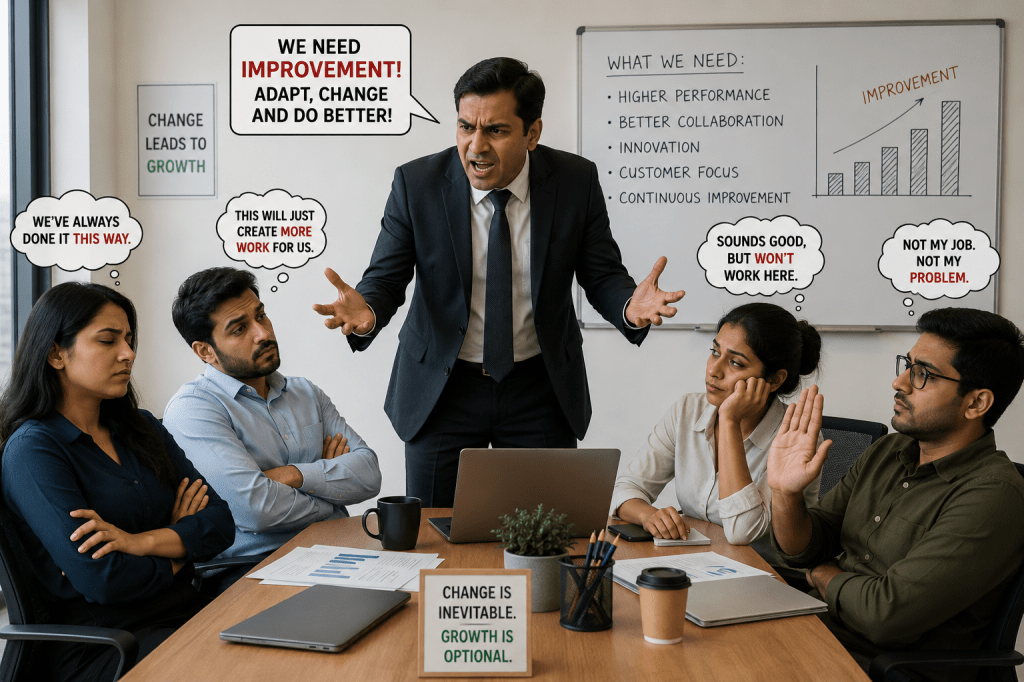
In the demanding world of public service, municipal operations, regulatory compliance, and organizational governance, success hinges on people as much as policies. A supervisor’s approach can elevate a team to deliver consistent, high-quality results—or quietly erode motivation, productivity, and retention. Yet the relationship works both ways: the team’s maturity, dynamics, and needs also shape how effectively a supervisor can lead.
At Pen to Anvil Advisors, we help organizations draft the clear policies, procedures, and training frameworks that support strong leadership and resilient performance. This article explores the critical interplay between supervisor styles, team characteristics, and organizational culture—and offers practical insights for building teams that thrive.
The Mutual Influence: Supervisors Shape Teams, Teams Shape Supervisors
Leadership is not one-size-fits-all. Different styles produce different outcomes, and the best supervisors adapt while staying true to core principles of clarity, accountability, and support.
Common Supervisor Styles and Their Impact
Here are several widely recognized approaches and how they tend to play out in practice:
- Directive/Autocratic Style: The supervisor makes decisions quickly and provides clear instructions. Strengths: Excellent in crises, regulatory deadlines, or when training new staff. Ensures consistency in compliance-heavy environments. Challenges: Can reduce initiative, creativity, and morale if overused, leading to dependency or quiet disengagement. Best fit: High-stakes, time-sensitive operations or less experienced teams.
- Participative/Democratic Style: Involves the team in decision-making and values input. Strengths: Boosts ownership, innovation, and buy-in—ideal for policy development or cross-functional projects. Challenges: Slower decisions; can falter in urgent situations or with teams lacking experience. Best fit: Mature teams tackling complex or creative governance challenges.
- Delegative/Laissez-Faire Style: Grants high autonomy and minimal oversight. Strengths: Empowers experts and fosters leadership development. Challenges: Risks misalignment, errors, or stalled progress without sufficient structure. Best fit: Highly skilled, self-motivated professionals.
- Transformational/Coaching Style: Inspires through vision, growth, and individualized support. Strengths: Builds long-term capability, resilience, and engagement. Challenges: Requires time and emotional intelligence; may feel vague in highly procedural settings. Best fit: Organizations investing in continuous improvement.
- Servant/Affiliative Style: Prioritizes team well-being, support, and relationships. Strengths: Strengthens trust, collaboration, and psychological safety. Challenges: Must be paired with clear accountability to avoid lowered standards.
No single style is universally “best.” Effective supervisors read the situation and flex accordingly—something we emphasize in the training manuals and orientation programs we help organizations develop.
How Teams Influence Supervisor Success
The reverse is equally true. A supervisor’s effectiveness depends heavily on team context:
- Experienced, High-Maturity Teams perform best with autonomy and strategic guidance. A micromanaging supervisor can quickly frustrate top performers and drive turnover.
- Diverse or Developing Teams often need more structure, coaching, and clear expectations early on. Hands-off leadership here can create confusion or inequity.
- High-Pressure Public Sector Teams (e.g., field operations, compliance, or emergency response) benefit from a balance of direction and relational support to sustain morale amid resource constraints.
- Remote, Hybrid, or Geographically Dispersed Teams (common in rural Alberta) require strong communication, trust, and intentional culture-building.
When styles and team needs align, performance soars. When they clash, even talented supervisors and capable teams underperform. This feedback loop explains why some leaders excel in one organization but struggle in another.
Good Culture: The Multiplier That Makes It All Work
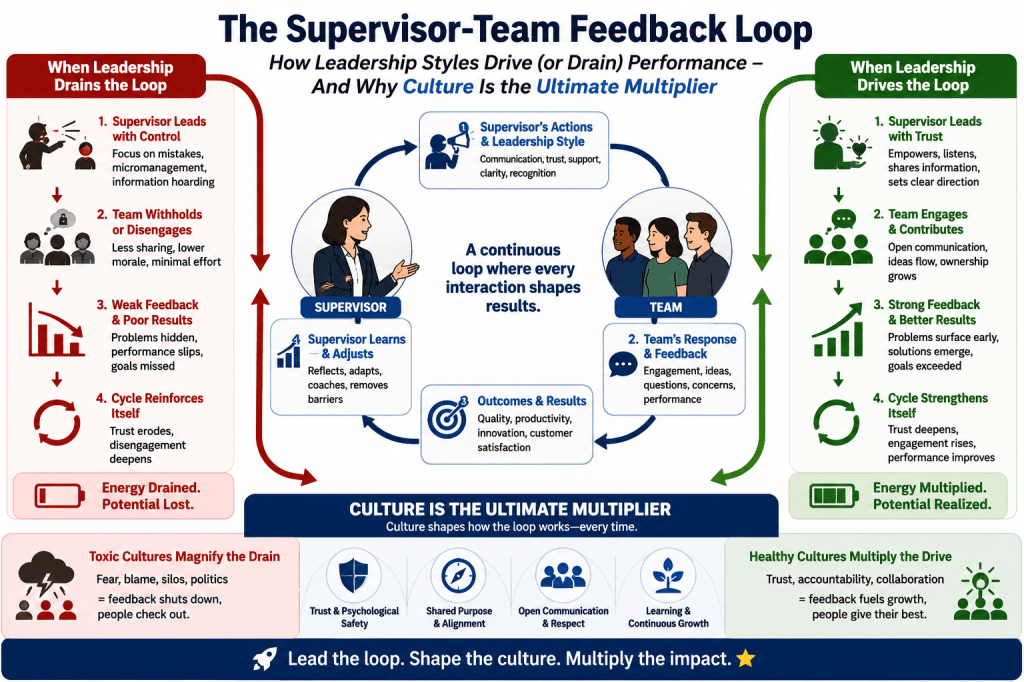
Culture acts as the operating system for your organization. It amplifies effective leadership and buffers against occasional mismatches. In strong cultures, teams are more forgiving of style differences, more resilient to change, and more committed to shared goals.
Proven Benefits of a Healthy Organizational Culture
- Higher Performance and Productivity: Clear expectations combined with psychological safety lead to better collaboration, fewer errors, and innovative problem-solving.
- Improved Retention and Morale: Employees who feel valued and supported stay longer and engage more deeply—critical in competitive public and regulated sectors.
- Stronger Compliance and Accountability: When culture reinforces policies rather than fighting them, adherence becomes natural rather than enforced.
- Greater Resilience: Teams navigate budget pressures, regulatory shifts, or staffing challenges with confidence.
- Better Recruitment: A positive reputation attracts talent who align with your values.
Signs of a strong culture include open feedback channels, recognition of contributions, opportunities for growth, and leadership that models the behaviors it expects.
Practical Steps to Strengthen the Supervisor-Team-Culture Loop
- Self-Awareness for Supervisors: Use simple assessments or 360-degree feedback to understand your default style and blind spots.
- Team Assessment: Regularly evaluate team maturity, strengths, and needs. Adjust your approach accordingly rather than expecting the team to adapt to a rigid style.
- Build Adaptive Leadership Skills: Invest in training that covers situational leadership, emotional intelligence, and coaching techniques.
- Embed Culture in Documents and Processes:
- Draft clear policies and procedures that outline expected leadership behaviors and team norms.
- Develop training manuals and orientation programs that reinforce values from day one.
- Create performance frameworks that balance results with how those results are achieved.
- Foster Ongoing Dialogue: Implement regular check-ins, team huddles, and anonymous feedback mechanisms.
- Measure What Matters: Track not only output metrics but also engagement, turnover, and culture indicators.
Final Thoughts: Forging Stronger Teams Through Clarity and Strength
The interplay between supervisor style, team dynamics, and organizational culture is powerful. When aligned, it creates resilient organizations capable of delivering excellent public service, sound governance, and sustainable results. When misalignment occurs, even well-intentioned efforts will fall short.
At Pen to Anvil Advisors, we specialize in drafting the practical, resilient documents—policies, procedures, training materials, and governance frameworks—that help leaders and teams succeed. Based in rural Alberta with deep experience across municipal, regulatory, and resource sectors, we bridge clarity in process with strength in outcomes.
Change is inevitable, how change happens is up to all of us. Your organization should always look at strengthening it’s leadership effectiveness, build a high-performance culture, or update supporting documentation. Reach out to us, as an objective discussion could be the way to support your team’s success.
Drafted in Clarity, Forged in Strength.

 Pen to Anvil Advisors
Leave a comment